Warnings: This text contains allusions to very sensitive topics such as war traumas, psychological torture and suicide. It also contains spoilers from the show Resident Evil: Infinite Darkness.
Even though the announced protagonists of Resident Evil: Infinite Darkness were Leon and Claire, the plot of the show revolved around the Penamstan Civil War, of which the protagonist is mainly Jason, the so called “hero of Penamstan”. The war veteran, however, is far from seeing himself as a hero.
Since the trailers, I had a feeling that Jason would be an ambivalent character within the story. This was confirmed when the whole thing came out, and he ended up being the “final boss” of the show. In my view, however, that doesn’t exactly make him a villain, but not exactly an anti-hero either. Although this hasn’t been adequately explored in the plot, he is actually a very complex character who’s not easy to understand within a simple dichotomy between good and evil.
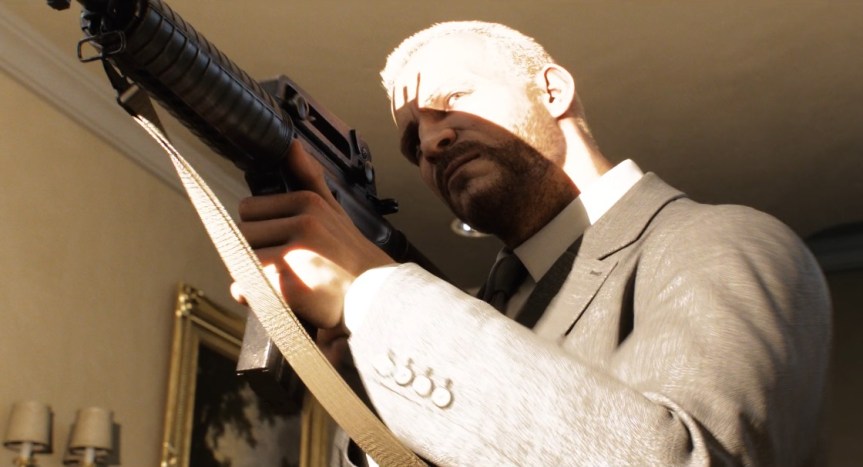
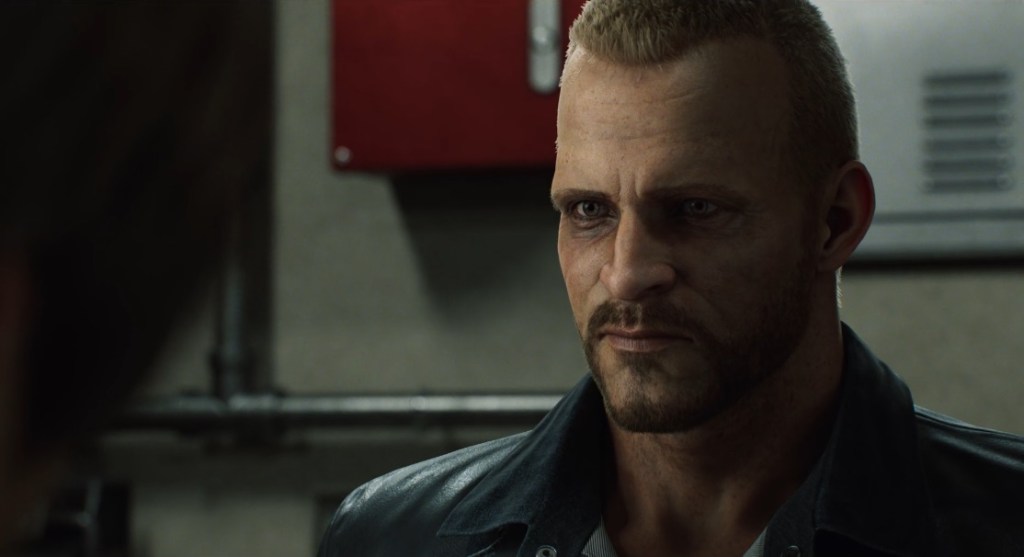
This look made me suspect that Jason wasn’t doing too well.
Jason knows the truth about what happened in Penamstan and only received the hero honour to promote the image of his superior, then Major Colonel Wilson. This is how Wilson achieved the post of Secretary of Defense, one of the most important and influential positions in the American State.
Then, together with the other Mad Dogs, Jason was forced to comply with Wilson’s secret and illegal orders, so that he would provide them with the inhibitor for the virus they had been infected with in Penamstan. And this coercion, along with the traumatic experiences of war, messed up Jason’s sanity and convictions.
Shellshock
Before analysing the character himself, I want to go back to a moment of the story when he isn’t present, which is when the militiamen of Penamstan hung the soldiers’ bodies on that large hand with the intention of setting them on fire.
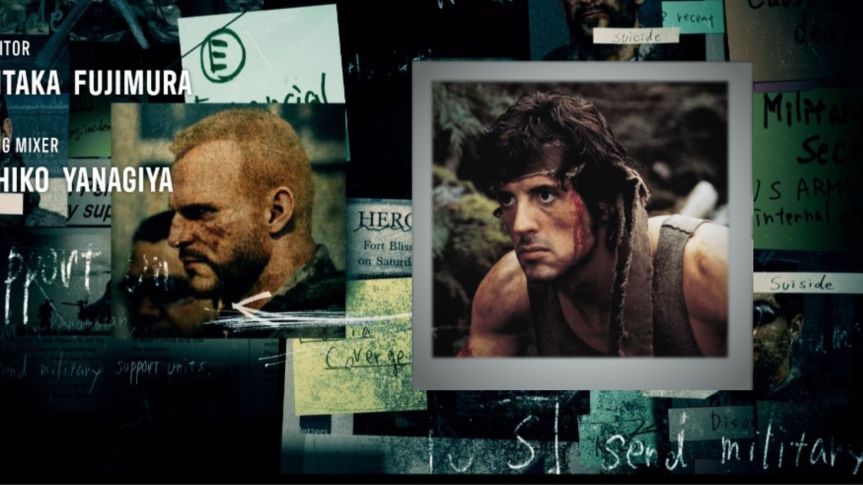
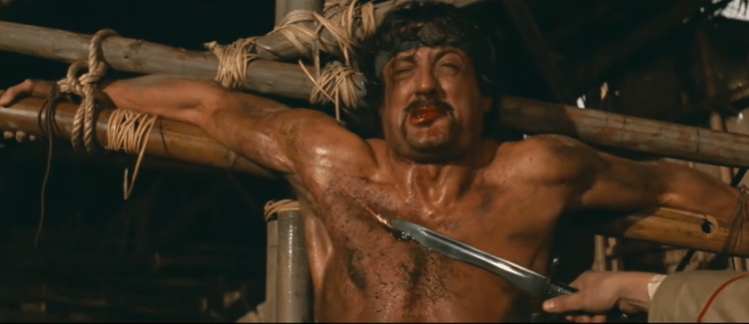
That scene immediately reminded me of Rambo‘s first 1982 film, when he recalls the tortures he suffered as a prisoner during the Vietnam War. He remembers how he was treated as a kind of public attraction, a prize to his tormentors, very similarly to what is seen in this scene in Infinite Darkness.
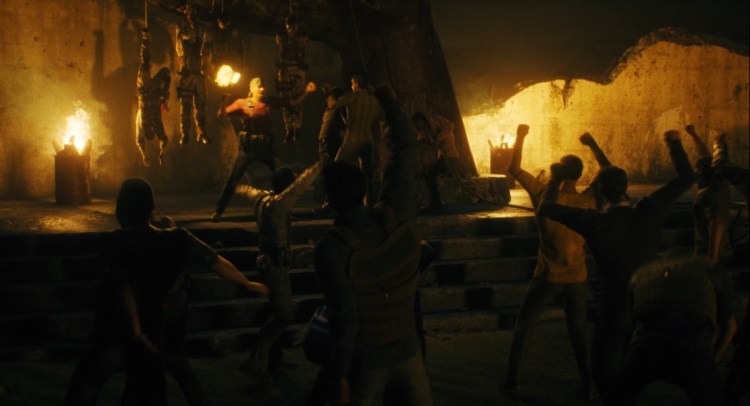
However, Rambo‘s themes in the show did not end there. John Rambo himself and thousands of traumatized real-life war veterans are present in Infinite Darkness in Jason’s character.
Despite being remembered mainly for the action, Rambo deals with a problem largely present in American society, which is traumatized war veterans, being more often recalled those from WWII, the Vietnam War, and the wars in the Middle East: the so-called shellshock or war neurosis, a kind of Post-Traumatic Stress Disorder (PSTD) very common to ex-combatants.
These soldiers return home, but their traumatic memories are not properly processed by the brain. Their minds remain stuck in the conflict they experienced, leading to various symptoms such as nightmares, depression, and immense difficulty in resuming their normal lives. In the most severe cases, the person relives the moments of war, having breakdowns and acting with violence as if they were back at the front.
Not all of these soldiers look for help, many times because they don’t understand that what they’re suffering is really serious, in addition to their not uncommon abandonment by the authorities. And the worsening of this condition can lead to these breakdowns, more rarely to violent behaviour and very often to suicide.
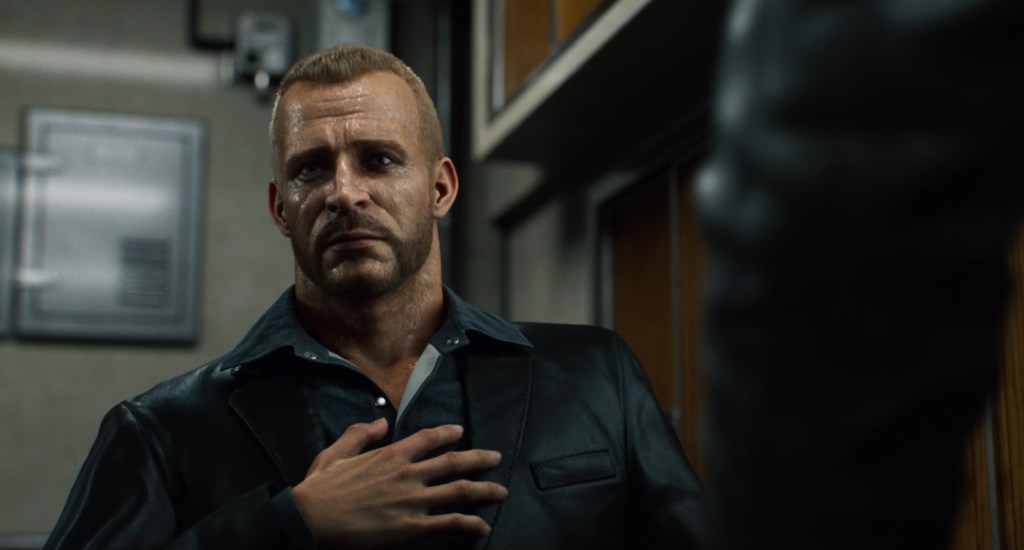
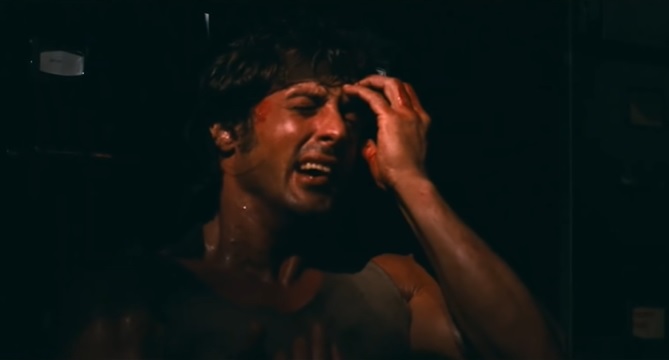
That’s why John Rambo has that guerrilla behaviour. In his mind, he’s still in the war and he can’t get out of it. As I understand it, Jason feels the exact same thing and that’s why he wants to show the world what fear is and what terror is: because he can’t get rid of them himself.
Let’s think about Jason’s personal joruney: he saw horrible things in Penamstan. Bioweapons were just one of them; he saw comrades die, innocent people mutilated, a bomb being dropped on a city to cover up evidence. And when he returned home, he not only had no emotional support at all, but also suffered psychological torture through Wilson’s intimidation.
No wonder that, before Jason, every other survivor in his squad committed suicide. At first, I thought Wilson had had them murdered for witness elimination, but as the story unfolded, it seemed very likely that they had actually pulled their own trigger.
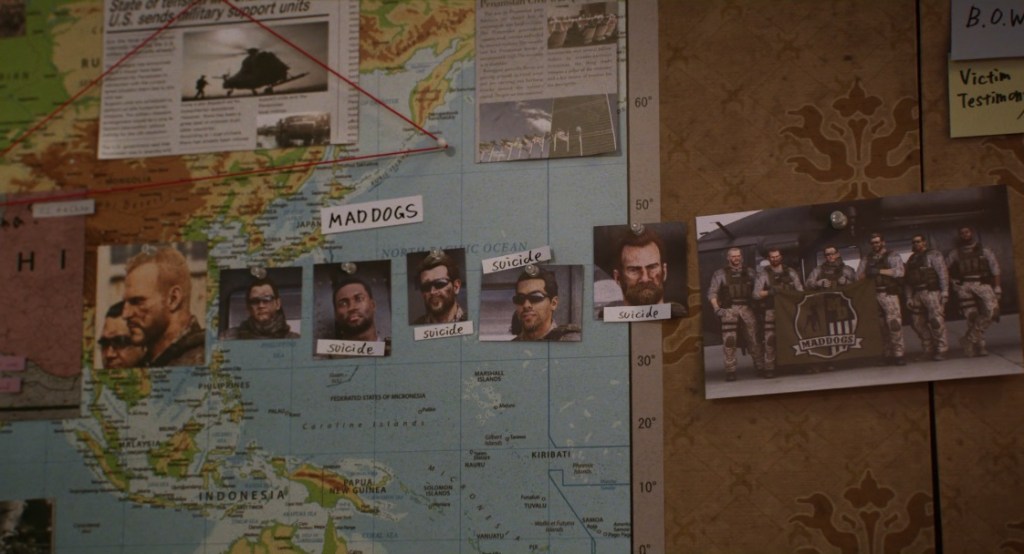
So, for Jason, seeing each of his friends gradually decide to take their own lives was another factor that contributed to his own sanity loss too.
I saw somebody say they couldn’t understand Jason’s motives. But for me they were pretty clear. The point is that we cannot try to find rational motivations in a man who can no longer think rationally. Like the 1982 Rambo, Jason went mad as the traumas were aggravated by Wilson’s psychological torture. For the ex-soldier, therefore, his reasons for turning into a monster and terrorising the world made perfect sense.
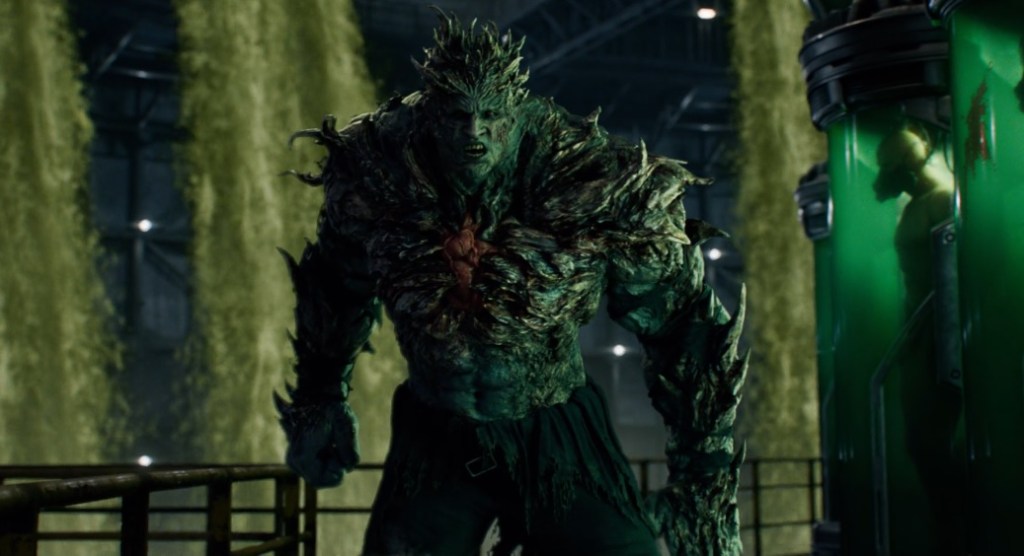
“Eu vou mostrar o que é medo”
Other traumas
Infinite Darkness also presented traumas related to war suffered by non-combatants.
Shen Mei too has terrible war memories due to her brother’s brutal loss, especially due to the fact that she was present when Wilson gave the orders to blow up the evidence of his wrongdoings.
Another case that I cannot fail to mention is that of Remotsu Ganape, the boy who made the drawing that caught Claire’s attention. He can no longer speak after the trauma. I didn’t find information about mutism as a symptom of PTSD, but it seemed very plausible. We should also notice that the boy is in a wheelchair, which means that after witnessing the horrors of the viral outbreak, he still suffered the physical violence of war, being deprived of walking.
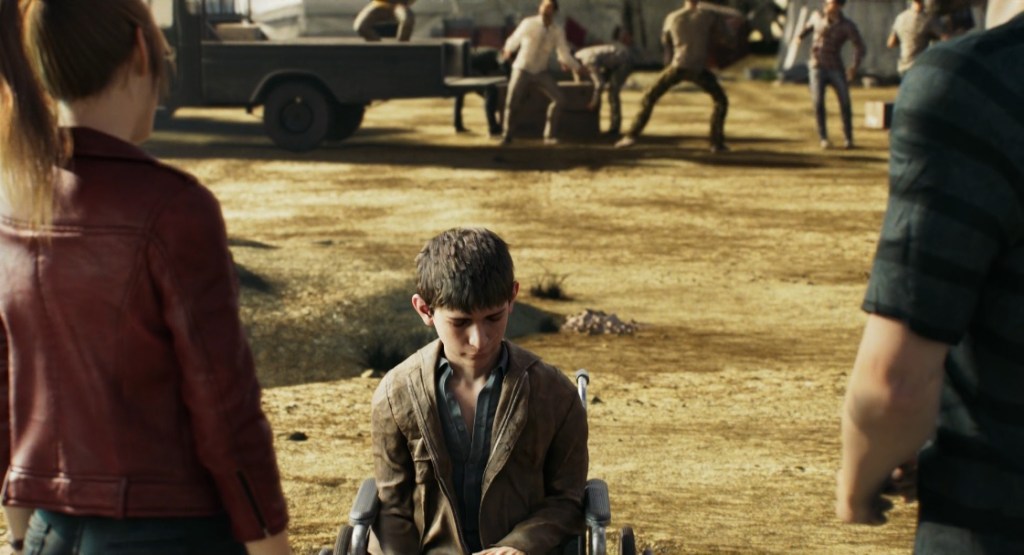
In other words, Remotsu had his childhood stolen by war. The little boy’s story made me very sad and I think it is worth reflecting that this is not mere fiction.
Jason’s traumas may not have been physical like other characters’, but the psychological damage he suffered makes him a very interesting character for Resident Evil. The war traumas shown in Infinite Darkness are what its narrative has of differentiated and they are also its great missed opportunity. This background is excellent and it’s a shame it didn’t get the attention it deserved.
Reading suggestions (in Portuguese; if I find good ones in English I’ll update them):
- Neurose de guerra Traumas de Guerra | Revista Super Interessante https://super.abril.com.br/cultura/traumas-de-guerra/ Access July 22th, 2021.
- Transtorno de Estresse Pós-Traumático e a psicologia da guerra | mimimidias https://www.youtube.com/watch?v=oVu1Y2pi7to Access July 12th, 2021.

