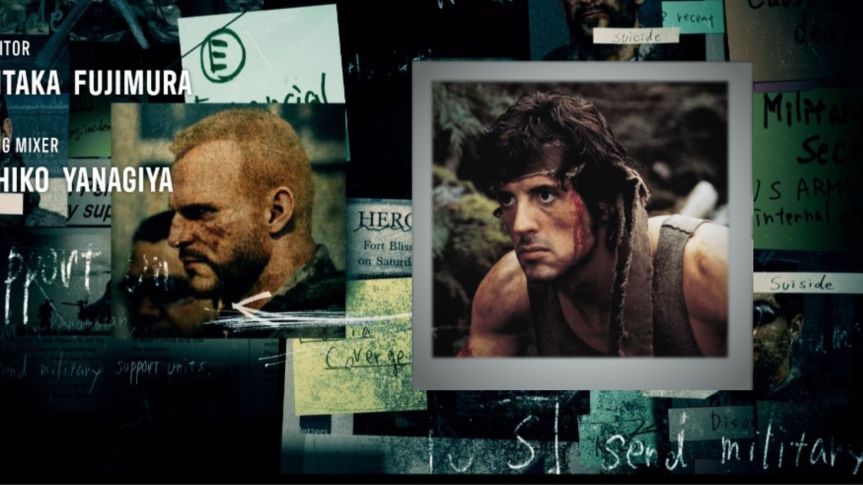
Jason “Rambo”, hero of Penamstan, and war traumas – Analysing Resident Evil: Infinite Darkness, part 3

Warnings: This text contains allusions to very sensitive topics such as war traumas, psychological torture and suicide. It also contains spoilers from the show Resident Evil: Infinite Darkness.

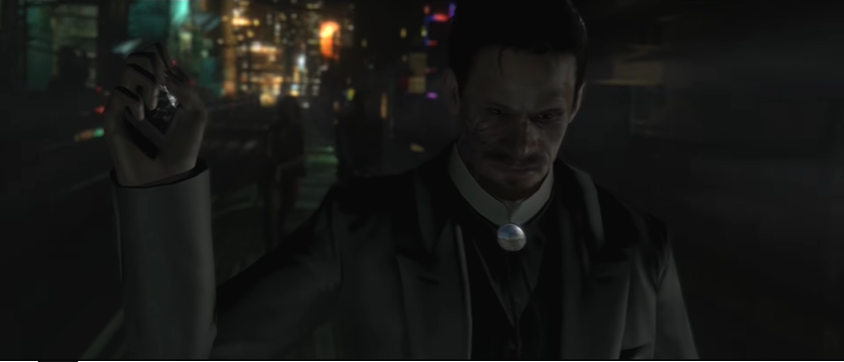
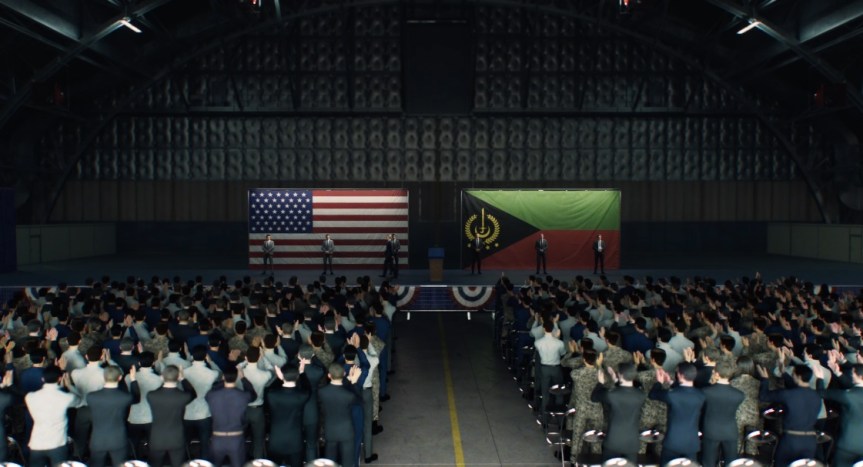
Even though the announced protagonists of Resident Evil: Infinite Darkness were Leon and Claire, the plot of the show revolved around the Penamstan Civil War, of which the protagonist is mainly Jason, the so called “hero of Penamstan”. The war veteran, however, is far from seeing himself as a hero.

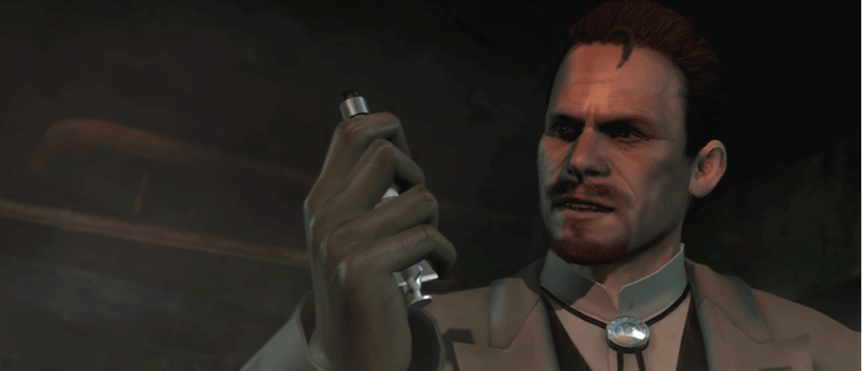
Since the trailers, I had a feeling that Jason would be an ambivalent character within the story. This was confirmed when the whole thing came out, and he ended up being the “final boss” of the show. In my view, however, that doesn’t exactly make him a villain, but not exactly an anti-hero either. Although this hasn’t been adequately explored in the plot, he is actually a very complex character who’s not easy to understand within a simple dichotomy between good and evil.
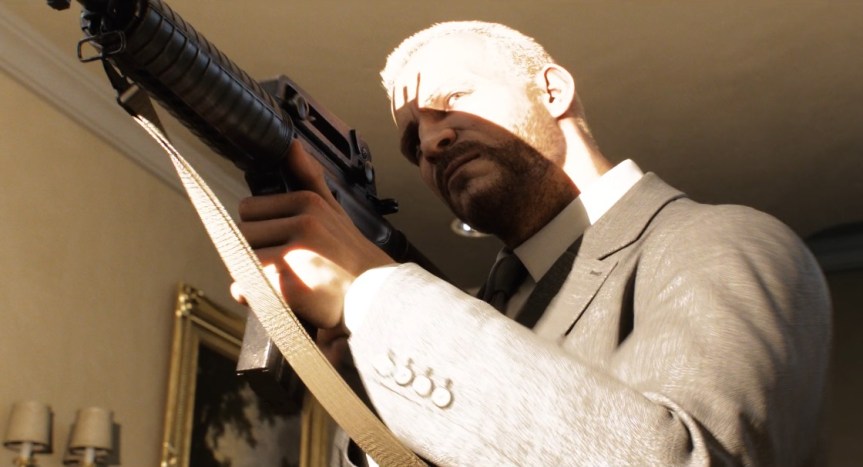
This look made me suspect that Jason wasn’t doing too well.

Jason knows the truth about what happened in Penamstan and only received the hero honour to promote the image of his superior, then Major Colonel Wilson. This is how Wilson achieved the post of Secretary of Defense, one of the most important and influential positions in the American State.

Then, together with the other Mad Dogs, Jason was forced to comply with Wilson’s secret and illegal orders, so that he would provide them with the inhibitor for the virus they had been infected with in Penamstan. And this coercion, along with the traumatic experiences of war, messed up Jason’s sanity and convictions.

Continuar lendo “Jason “Rambo”, hero of Penamstan, and war traumas – Analysing Resident Evil: Infinite Darkness, part 3” →
Penamstan and real-life wars – Analysing Resident Evil: Infinite Darkness, part 2

This text contains spoilers from Resident Evil: Infinite Darkness.

Resident Evil: Infinite Darkness’ plot has a wide variety of historical references and not exactly subtle political parallels from real life. Even though these elements have been explored superficially by the final product, I believe it’s much enriching to explore them in order to deepen what the show itself didn’t.

This is a text with sensitive themes that may possibly generate controversy, but debate here must be done with respect both to the debaters and to the groups being discussed. Any comments demonstrating prejudice against Arabs, Afghans, Chinese, Muslims or any other cultural group will be summarily deleted.

Continuar lendo “Penamstan and real-life wars – Analysing Resident Evil: Infinite Darkness, part 2” →

The United States hegemony and the global order Derek Simmons wanted to preserve

At a certain moment of Leon’s campaign in Resident Evil 6, Derek Simmons justifies his motivation for assassinating President Adam Benford. According to him, had the truth about Raccoon City had been disclosed, the United States would have lost its authority and the global political order would have collapsed. This global order is, for him, the position of leadership of the United States towards the rest of the world, something that Resident Evil took directly from our reality.

Let’s talk about the constitution of this global order and how it relates to the rest of the franchise, then?

Simmons’ interest in maintaining the global order is, of course, related to the power he himself possesses at this juncture. He shouts, “He [Benford] was leading my country, and this world, into complete chaos!” in a reference to the US not only as his home country, but also as the country he dominates. As Ada had already said in the catacombs: “We are up against the people who really run this country, in a very dangerous game.”

Continuar lendo “The United States hegemony and the global order Derek Simmons wanted to preserve” →