
1 year of Arklay’s Library: why talk about Resident Evil and history?

On May 4, 2021, I published the first text of this blog: The Romania that will bring us Resident Evil Village (yet to be translated to English). We were just three days away from the release of that bold new numbered title of our favorite video game franchise, and I chose to launch the blog at that time precisely to profit from the hype.

But I had no idea how the response to that first and humble text would be positive, both with the praise and with the amount of people who were interested in the material and the blog right away. In that May, there were 68 views on that text alone! And then came the other texts’ success, which even culminated in an episode of Resident Evil Database’s podcast.

The blog grew very fast in a very short time and that was a big (and wonderful!) surprise for me, because I didn’t think that such a niche proposal – a specific game with an even more specific approach – would have so many followers.

It was delightful to see how many people liked to discuss real-life historical issues related to Resident Evil, and that gave my work extra motivation, after all, historians don’t do research only for themselves (or at least they shouldn’t), but to the world, and that includes talking about history and pop culture/nerd/geek and similar.

Why do we like to talk about Resident Evil and history then? Why talk about Resident Evil and history?

Every cultural product has a context

Any book, movie, poem, TV show, song and even videogame is inspired by something. This includes other works of fiction – themselves inspired by real life – as well as elements of the historical, social, and cultural reality of their creators.

It is common knowledge that Resident Evil had inspirations such as the game Sweet Home and the zombie movies by George A. Romero, but it is also evident how real events and phenomena influence the course of its events. Umbrella was producing bioweapons in a late Cold War context, the US government of the RE universe broke the real-life 1972 Treaty against Chemical and Biological Weapons, Umbrella’s founders’ motivations were related to the same eugenics that led to the horrors of Nazism.
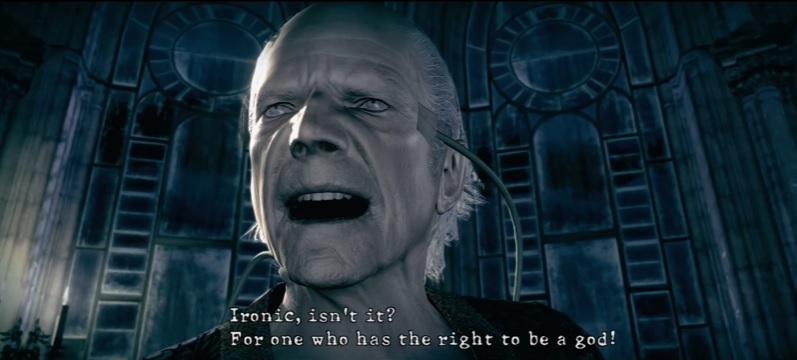
These details are conscious choices made by people like Shinji Mikami, Kenichi Iwao, Noboru Sugimura, Dai Satō and so many others who have passed through the franchise to this day.

And we cannot forget that, as human beings belonging to their own historical moment, to certain worldviews, to a certain culture, a certain life trajectory, these people also bring their personal and social experiences to their games.

A world close to ours

While most adventure games that the public was used to made use of fantastic elements, whether in the realm of magic or science fiction, 1996’s Resident Evil brought something that, in my view, is one of its differentials still today: a proximity to the real world like few other games did until then.

How many people have I heard saying that they had never seen anything like it! The feeling of vulnerability of an ordinary character – a trained police officer, but still a human being without superpowers or cybernetic prostheses – facing monstrosities created by a megacorporation (which we have in droves full of allegations of slave or precarious work, destruction of the environment etc) through an antithetical use of science for political purposes (Cold War, eugenics, vaccine negationism).
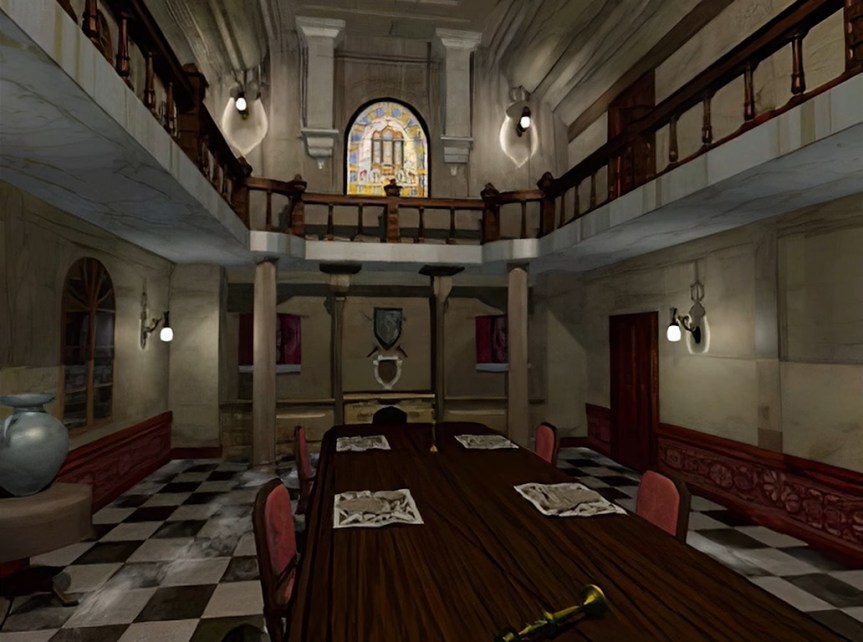
It was a mixture of adventure, horror and science fiction that didn’t stray too far from the reality that surrounded us, and how many of us have already found ourselves thinking: is an epidemic caused by a zombie virus possible?

I always like to go back to Kenichi Iwao, who was the creator of the concept of the viral infection and who I think deserves as much credit in creating Resident Evil as Mikami does. For him, the realism of the setting is part of the fear, as the player relates with that situation and feels even more helpless. I highly recommend you read this absolutely incredible interview of him for Crimson Head.

Deepening the lore

For lore lovers like me and probably those of you who follow me, understanding the context behind Resident Evil’s plot construction contributes very much to understanding it more deeply.

Knowing the importance of the werewolf in Romanian folklore, we understand why they were chosen to be the main enemies of RE Village; when we understand how American war veterans are often abandoned by the state, we understand why Jason wanted to show fear to the world in Infinite Darkness; when we remember that the US dropped two atomic bombs on civilians in Hiroshima and Nagasaki, we get an idea of why in the gaming universe the US government had no qualms about decimating Raccoon City with a bomb even with the possibility of survivors being killed together with the monsters.

Games are culture

It is true that video games are a commercial product made for companies to make money. However, their creation process involves much more than that – it is full of true artists who work hard to build engaging narratives, beautiful settings that help tell a story, captivating characters whom we relate to and end up loving.

That’s why I believe video games are art just as much as literature or cinema. Resident Evil is by no means out of it, with its 26 years telling the story of what our world would be like if a megacorporation decided to create monsters as weapons. Well, we do have megacorporations that sell common weapons and that take advantage of other people’s wars to sell, don’t we?

Therefore, talking about games and history, about Resident Evil and history, is still a way to reflect upon our own world and ourselves. And I am very grateful to everyone – more than 1,000 visitors and almost 2,000 views from more than 30 countries – who have embarked on this endeavor with me this past year.

Thank you so much and shall we have many more!

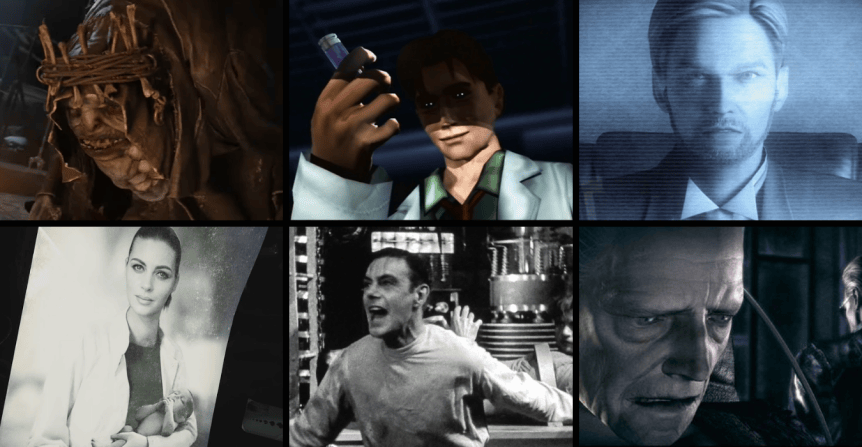
The many Drs.Frankenstein in Resident Evil [RE and Frankenstein Series, Text 2]

This is the #2 entry in the Resident Evil and Frankenstein series on the blog and contains spoilers to all Resident Evil lore and Mary Shelley’s Frankenstein; Or, the Modern Prometheus.

In the first text of this series, which I recommend you to read before this one, I explained how Resident Evil holds a lot from Frankenstein with its creatures and experiments violating the rules of nature. Scientists obsessed with their destructive creations and victory over death are the cornerstone of the devastation in both narratives, so it is possible to think that Resident Evil has, after all, several Doctors Frankenstein. Today we’re going to talk a little about each of them.

Continuar lendo “The many Drs.Frankenstein in Resident Evil [RE and Frankenstein Series, Text 2]” →

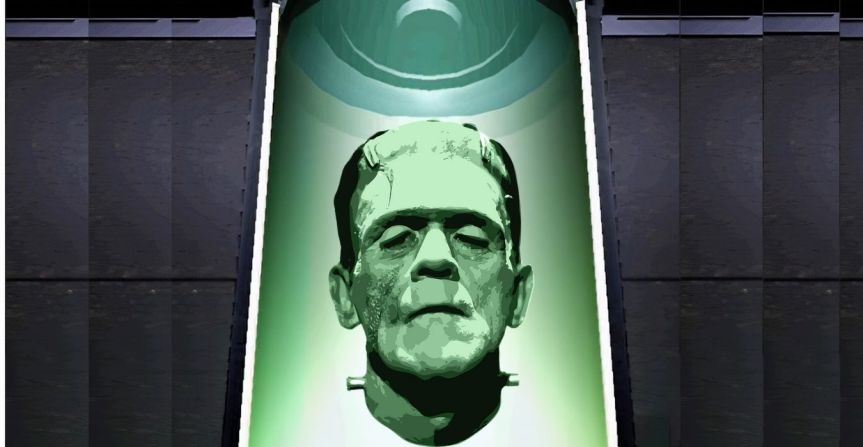
Monster Creators – Victor Frankenstein’s View of Science in Resident Evil [RE and Frankenstein Series, Text 1]

This is the #1 entry in the Resident Evil and Frankenstein series on the blog and contains spoilers to all Resident Evil lore and Mary Shelley’s Frankenstein; Or, the Modern Prometheus.

“Life and death appeared to me ideal bounds, which I should first break through, and pour a torrent of light into our dark world. A new species would bless me as its creator and source; many happy and excellent natures would owe their being to me”. P.40.

Ozwell E. Spencer wanted to create a new “race” of human beings, forcing the evolution of the species through viruses. In his view these beings would be superior to others; they would be stronger and more intelligent – and should see him as their leader, a god of the new species. It wasn’t him, however, who said the above-quoted words. It was none other than Victor Frankenstein in the brilliant work that inaugurated the sci-fi genre, one of which Resident Evil belongs to.

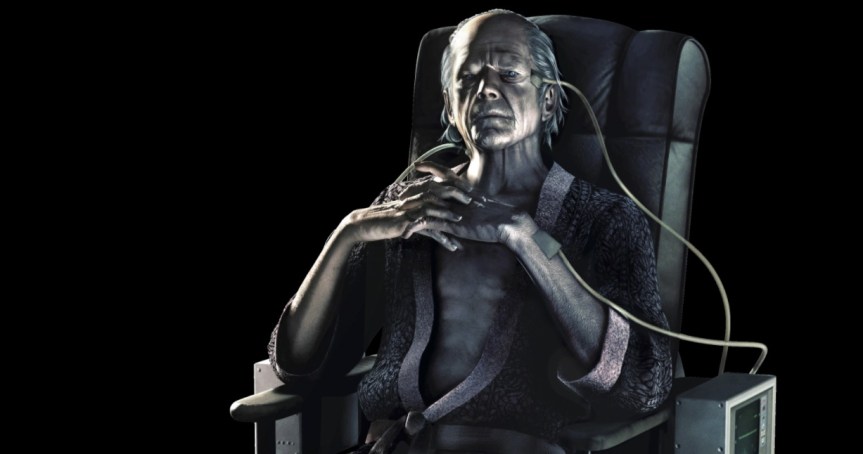
Ozwell Spencer, artworkfrom Resident Evil 5: Lost in Nightmares.

Frankenstein; Or, the Modern Prometheus, first published by English writer Mary Shelley in 1818 and reedited in 1831, influences science fiction still to this day. And, albeit indirectly, Resident Evil was not left out. The franchise has an immense number of ‘mad’ scientists with objectives similar to Victor’s – almost all of them, by the way.

And since I love both Frankenstein and Resident Evil, this text, which was going to be a standalone, will be the first in the Resident Evil and Frankenstein series that will discuss various aspects of how we can connect the two stories.

Continuar lendo “Monster Creators – Victor Frankenstein’s View of Science in Resident Evil [RE and Frankenstein Series, Text 1]” →

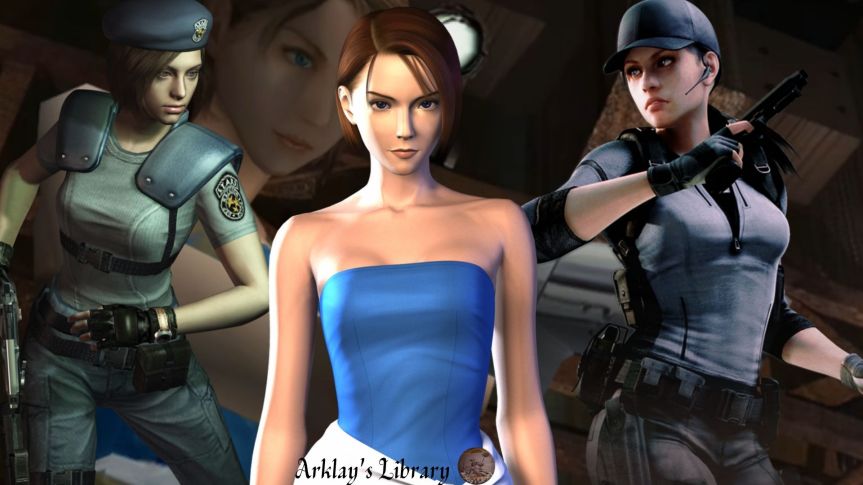
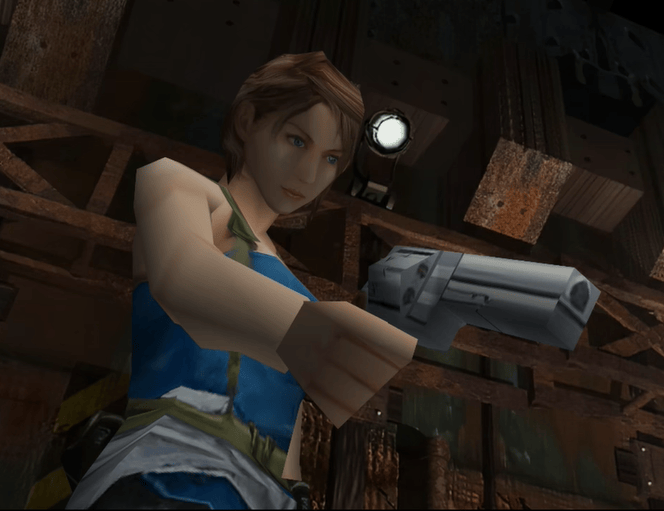
9 reasons to #BringBackJillValentine

Of all the complaints the Resident Evil community has, good or bad, by far the most significant – and thankfully very fair – is the absence of Jill Valentine from the latest games from the main timeline. Loved by so many, she doesn’t seem to be so much to the taste of Capcom’s current team. There is a lot of speculation on the reasons for this, but that’s their problem and not ours, we want her back!

Fans are so displeased with Jill’s disappearance that a social media campaign was created (if I remember well, by Resident Evil Project) with the hashtags #BringBackJill and #BringBackJillValentine to get Capcom’s attention. This text is part of it!

What are your reasons for wanting Jill back? I would love to hear from you. Today, I have just listed a few. Shall we check them?

9. Jill is one of the founders of the BSAA

Along with people like Chris and O’Brien, Jill is one of BSAA’s Original Eleven. She certainly has a very important and very influential role in the organization even if she is no longer active on the battlefield. And, at the current point in timeline, the BSAA is the leading anti-bioterrorism organization in the Resident Evil universe. In a world full of bioterrorism…this is pretty important, right?

8. Something wrong is not right at the BSAA

In Resident Evil Village, we discover that there is something really wrong within the BSAA. There are obvious signs of corruption in the organization, like the alliance with Blue Umbrella, their sending of BOWs to the battlefield, the cover-up of biological incidents… it’s pretty clear that Chris isn’t happy at all about this and Jill certainly wouldn’t be either.

Jill has always been known for her intelligence, responsibility and ability to solve problems. Therefore, she is needed now more than ever, because it is all the values that she built alongside Chris with the BSAA that are at risk.

7. Jill wasn’t around at moments she should have been

One very intriguing thing about RE6’s lame narrative is that, in the process of regaining Chris’s memory, two key people for him aren’t present: his own sister Claire and his lifelong partner, Jill. For me and certainly for much of the community, this is a very serious mistake by Capcom. Maybe it happened behind the scenes, but why not show it explicitly?

In addition to RE6, Village also failed her. If Chris is working in the shadows because of the problems inside the BSAA, Jill would be too, wouldn’t she? Or at least they would be exchanging information, perhaps similarly to what happened in the Raccoon days – Chris pretending crazy and investigating from the outside and Jill staying in the city/BSAA to investigate from inside. Hopefully the corrupt BSAA plot brings something like this to Resident Evil 9.

6. Jill appears in other Resident Evil products and in other games, but not in the main chronology

Almost every time we have a cultural product that brings some reference or easter egg from Resident Evil, Jill is the one to show up. Some examples are the recent RE pack for Dead By Daylight, Marvel Vs. Capcom 3, her outfit in Dead Rising 4, Jill’s Sandwiches shop also in Dead Rising, among others.

Jill in Marvel Vs. Capcom 3

Jill is also featured in other Resident Evil productions, such as the Milla Jovovich films – Jill appeared in 3 of them, two of which were after the character’s last chronological appearance in games – and in the upcoming film Welcome to Raccoon City.

This makes it clear that Jill is the face of Resident Evil. So why leave her out?

5. To value Resident Evil’s female characters

A common complaint in the community lately has been the way in which female characters, once so strong, full of personality and independent, have been overlooked in the latest products of the franchise.

Not that they didn’t show up or demonstrate strength. But especially with Claire, some things turned out quite uncomfortable: in Infinite Darkness, Claire had little screen time, being treated as an accessory to Leon’s story, and was heavily hurt by men (the same can be said about Shen Mei). In RE2 Remake, she is also beaten by Brian Irons, something that bothered a lot of people, even if it was consistent with the situation and the character of the police chief.

Jill is one of the great muses of videogames and Shinji Mikami has always strived for her not to be a mere appeal to sensuality within Resident Evil (something that, should we admit, has been forgotten after he left Capcom…). No wonder her difference from Chris in the original Resident Evil was her greater intelligence, while he was more brute strength (I’m not saying Chis is dumb, okay? He just wasn’t as skilled as Jill was in the first RE).

So, it would be great if Jill’s triumphant return were to follow the old manners of thick-skinned, independent female characters who owned their own story.

4. Alongside Leon, Jill is people’s favourite character

Leon is undoubtedly the most popular character in Resident Evil, thanks to the success of Resident Evil 4 that made his fame go beyond RE fans and spread throughout the gaming world in general. However, almost everybody also knows who Jill Valentine is.

Among fans, Jill receives immense affection for being the first character with whom many of us played with (after all, playing with Chris was harder lol), for being such a charismatic protagonist, for having faced one of the most iconic monsters in videogame history (Hi Nemesis!), for closing the Raccoon City arc and for so many other reasons.

When someone asks on Twitter about people’s favourite character, Jill is always very present. So, a game with her would be without a doubt a success and success is money, right, Capcom?

3. Jill has been missing from the chronology for 12 years

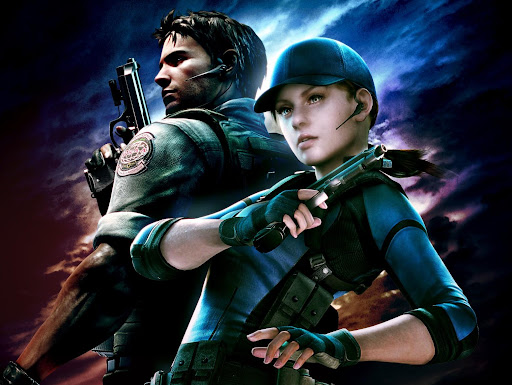
Jill’s last appearance in the numbered games was in Resident Evil 5, which takes place in 2009. After that, the only news we have of her were in a file in Resident Evil Revelations 2, an e-mail she sends to Barry shortly after returning from Kijuju, also in 2009.

This means that for 12 years – both in chronology and in real life – we have no idea of what Jill has been doing! Has she recovered? Is she still at the BSAA?

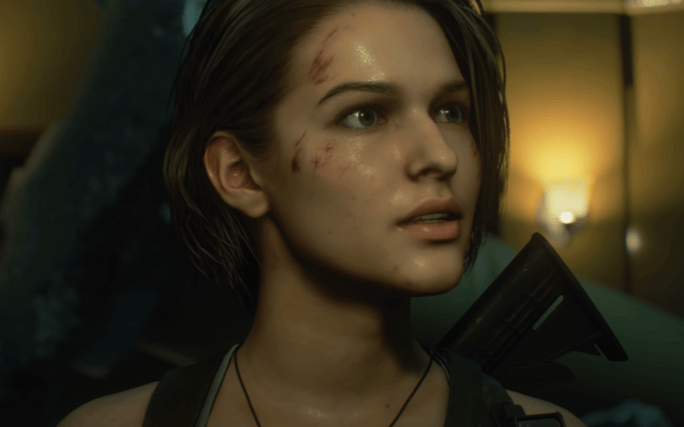
Yes, it is true that Jill was the main character in Resident Evil: Revelations (set in 2005 and released in 2012) and Resident Evil 3 Remake, but neither of them advances in the story, telling events taking place before Resident Evil 5.

After all, what happened to Jill Valentine?

2. Alongside Chris, Jill is the main protagonist of Resident Evil

This is a sticking point, but we can try to think from the perspective that it all started with Jill and Chris. It was playing with them that we discovered Umbrella’s wrongdoings; Jill witnessed the destruction of Raccoon City; together they founded the BSAA, destroyed Umbrella, uncovered corruption within the FBC and, after hellish suffering, defeated the franchise’s main villain, Albert Wesker.

There are indeed many important events other characters dealt with, but the most definitive ones always happen by the hands of Chris and Jill. Lately we’ve had a lot of Chris, but without Jill, there’s a void of incompleteness.

They work well on their own, but together they are unbeatable! A return from this duo, please!

1. She is Jill Valentine

Zombie Slayer. BOW ass kicker. Pianist. Bomb Disarmer. Master of unlocking. Jill is all that and more.

In all Resident Evil universes, she stands out for her determination, her bravery, her values, her intelligence, and her expertise. She faced terrible threats and cheated death many times. She is highly respected by her friends and colleagues, and by her fans who love her unconditionally.

Jill is an inspiration to all of us and all we want is to be able to live Resident Evil with her again.

So please, Capcom. #BringBackJillValentine!

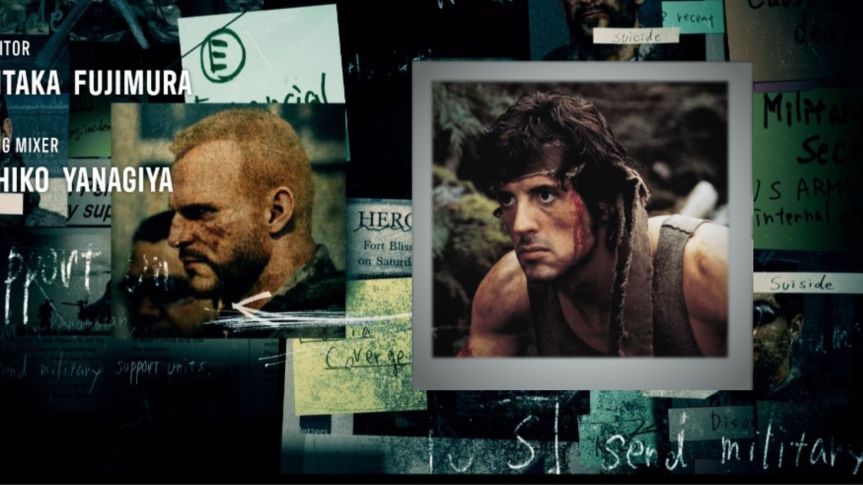
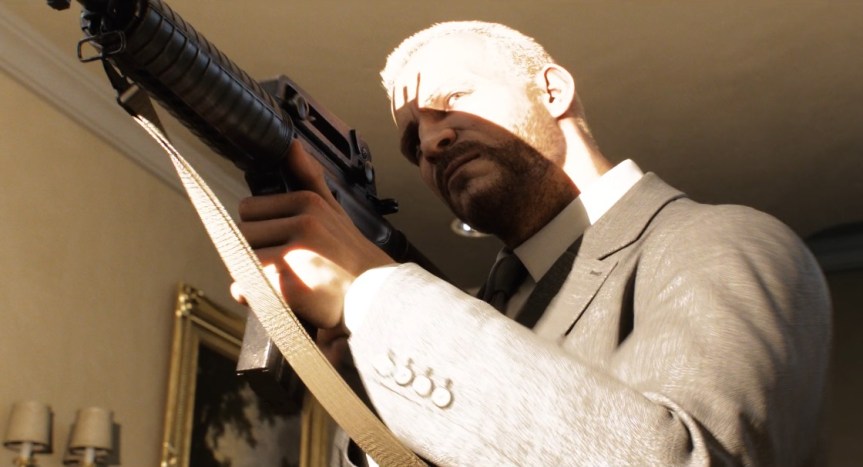
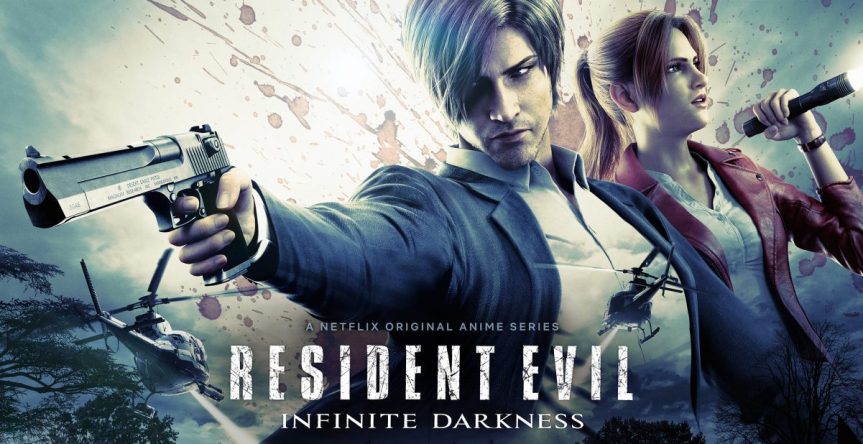
Jason “Rambo”, hero of Penamstan, and war traumas – Analysing Resident Evil: Infinite Darkness, part 3

Warnings: This text contains allusions to very sensitive topics such as war traumas, psychological torture and suicide. It also contains spoilers from the show Resident Evil: Infinite Darkness.

Even though the announced protagonists of Resident Evil: Infinite Darkness were Leon and Claire, the plot of the show revolved around the Penamstan Civil War, of which the protagonist is mainly Jason, the so called “hero of Penamstan”. The war veteran, however, is far from seeing himself as a hero.

Since the trailers, I had a feeling that Jason would be an ambivalent character within the story. This was confirmed when the whole thing came out, and he ended up being the “final boss” of the show. In my view, however, that doesn’t exactly make him a villain, but not exactly an anti-hero either. Although this hasn’t been adequately explored in the plot, he is actually a very complex character who’s not easy to understand within a simple dichotomy between good and evil.

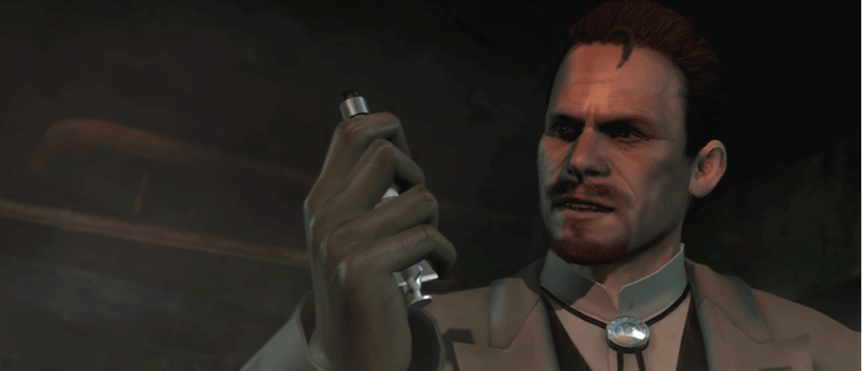
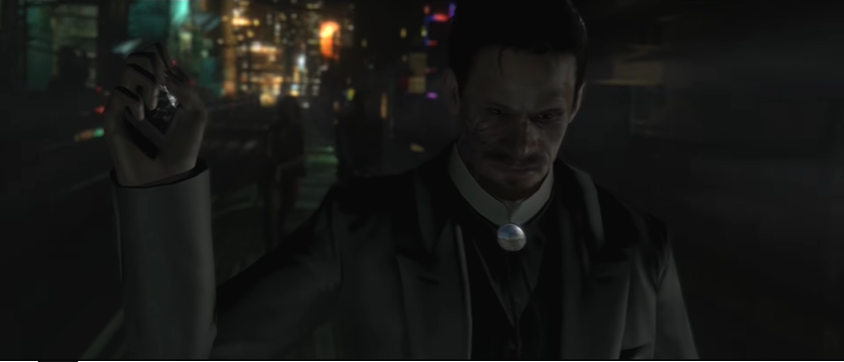
This look made me suspect that Jason wasn’t doing too well.

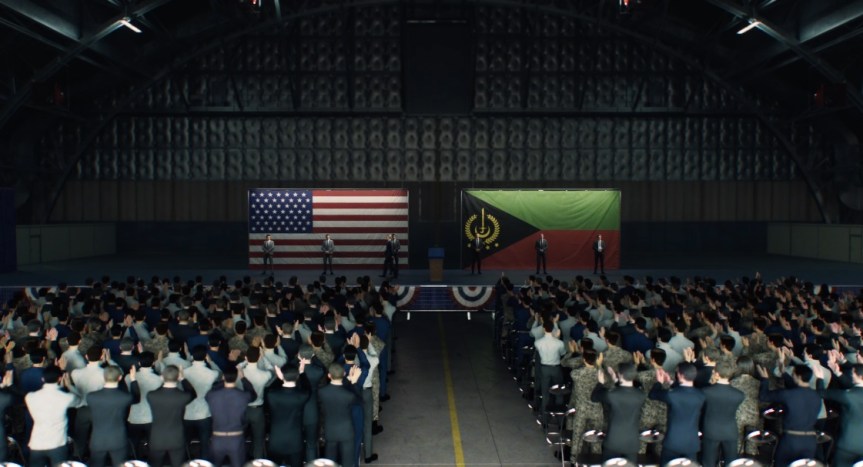
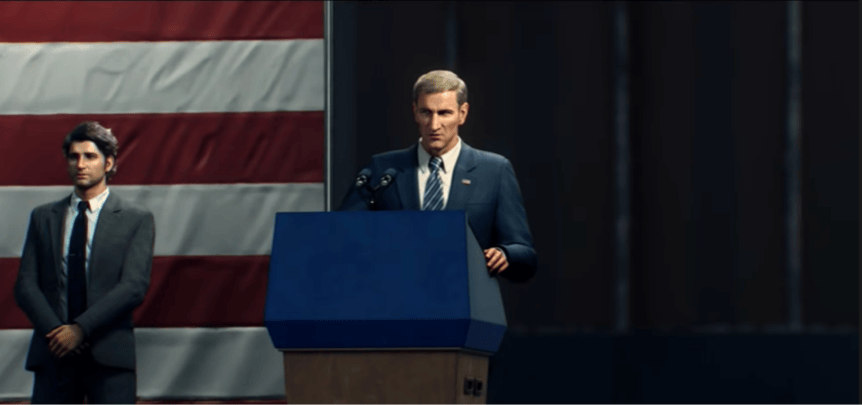
Jason knows the truth about what happened in Penamstan and only received the hero honour to promote the image of his superior, then Major Colonel Wilson. This is how Wilson achieved the post of Secretary of Defense, one of the most important and influential positions in the American State.

Then, together with the other Mad Dogs, Jason was forced to comply with Wilson’s secret and illegal orders, so that he would provide them with the inhibitor for the virus they had been infected with in Penamstan. And this coercion, along with the traumatic experiences of war, messed up Jason’s sanity and convictions.

Continuar lendo “Jason “Rambo”, hero of Penamstan, and war traumas – Analysing Resident Evil: Infinite Darkness, part 3” →

Penamstan and real-life wars – Analysing Resident Evil: Infinite Darkness, part 2

This text contains spoilers from Resident Evil: Infinite Darkness.

Resident Evil: Infinite Darkness’ plot has a wide variety of historical references and not exactly subtle political parallels from real life. Even though these elements have been explored superficially by the final product, I believe it’s much enriching to explore them in order to deepen what the show itself didn’t.

This is a text with sensitive themes that may possibly generate controversy, but debate here must be done with respect both to the debaters and to the groups being discussed. Any comments demonstrating prejudice against Arabs, Afghans, Chinese, Muslims or any other cultural group will be summarily deleted.

Continuar lendo “Penamstan and real-life wars – Analysing Resident Evil: Infinite Darkness, part 2” →

Analysing Resident Evil: Infinite Darkness, part 1 – review and lore

This text contains spoilers from Resident Evil: Infinite Darkness and is the first of a group of extensive analysis texts of the show.

Resident Evil: Infinite Darkness doesn’t seem to have been very well received by the fanbase. Although it looks like the majority of the audience liked it, my circle of friends and acquaintances sounds averse to the show or, even if they enjoyed it, they had a very negative view of it.

This took me by surprise, because even though this isn’t exactly a masterpiece, I watched it with a lot of excitement. I agree with most of the criticism, but I didn’t expect people to think it was so bad.

Anyway, I will make my initial notes about the series, and in the next texts we will make deeper analysis based on the historical references that it brought. Let’s go!

Continuar lendo “Analysing Resident Evil: Infinite Darkness, part 1 – review and lore” →

The dispute on real-life politics in Resident Evil: Infinite Darkness

Only a few days before the release of Resident Evil: Infinite Darkness, a controversy has been going about Netflix having asked reviewers “not to talk about politics” in their reviews of the series. This is not the kind of subject I intended to approach so soon here, but I feel compelled to talk about it because we historians hear that phrase all the time and this is extremely tiring.

Let’s be simple: how can we not to talk about politics when Infinite Darkness clearly alludes to real events of our contemporaneity, and very serious events such as wars and political decisions? And what’s more: did Netflix really think that, when accepting to publish such material, they wouldn’t be subject to political commentary?

Continuar lendo “The dispute on real-life politics in Resident Evil: Infinite Darkness” →

The United States hegemony and the global order Derek Simmons wanted to preserve

At a certain moment of Leon’s campaign in Resident Evil 6, Derek Simmons justifies his motivation for assassinating President Adam Benford. According to him, had the truth about Raccoon City had been disclosed, the United States would have lost its authority and the global political order would have collapsed. This global order is, for him, the position of leadership of the United States towards the rest of the world, something that Resident Evil took directly from our reality.

Let’s talk about the constitution of this global order and how it relates to the rest of the franchise, then?

Simmons’ interest in maintaining the global order is, of course, related to the power he himself possesses at this juncture. He shouts, “He [Benford] was leading my country, and this world, into complete chaos!” in a reference to the US not only as his home country, but also as the country he dominates. As Ada had already said in the catacombs: “We are up against the people who really run this country, in a very dangerous game.”

Continuar lendo “The United States hegemony and the global order Derek Simmons wanted to preserve” →

Capcom has all the tools for an action multiplayer Resident Evil game

Capcom has been trying to insert multiplayers into Resident Evil for many years. It is not news to anyone, however, that this has not turned out very well. From at least Operation Raccoon City to the most recent RE: Verse, some formulas have failed, both in terms of fan reception and commercially.

Does that mean Resident Evil has no room at all for action multiplayers? Well, I believe that it does have, and the answer lies in some guys very dear to the franchise: the UBCS (Umbrella Biohazard Countermeasure Service), also known as the Mercenaries.

Continuar lendo “Capcom has all the tools for an action multiplayer Resident Evil game” →